Recent Reading
The George and Molly Palmer-Jones series is improving the more I read.

Stephens and Mephisto Mystery 2 - I enjoyed this far more than the first book in the series. I do love the way Elly Griffiths develops her characters. Quite dark and a clever ending - I had no idea who had done it!

I treated myself to the final Shetland book to read over Christmas. So sad that this appears to be the last in the series as I have enjoyed each and every book although I have to say I wasn't overkeen on the tv series - to me it was totally different to the books and I just ended up getting confused!

I love Dave Goulson's bee books - he has such an entertaining writing style and you learn a great deal.

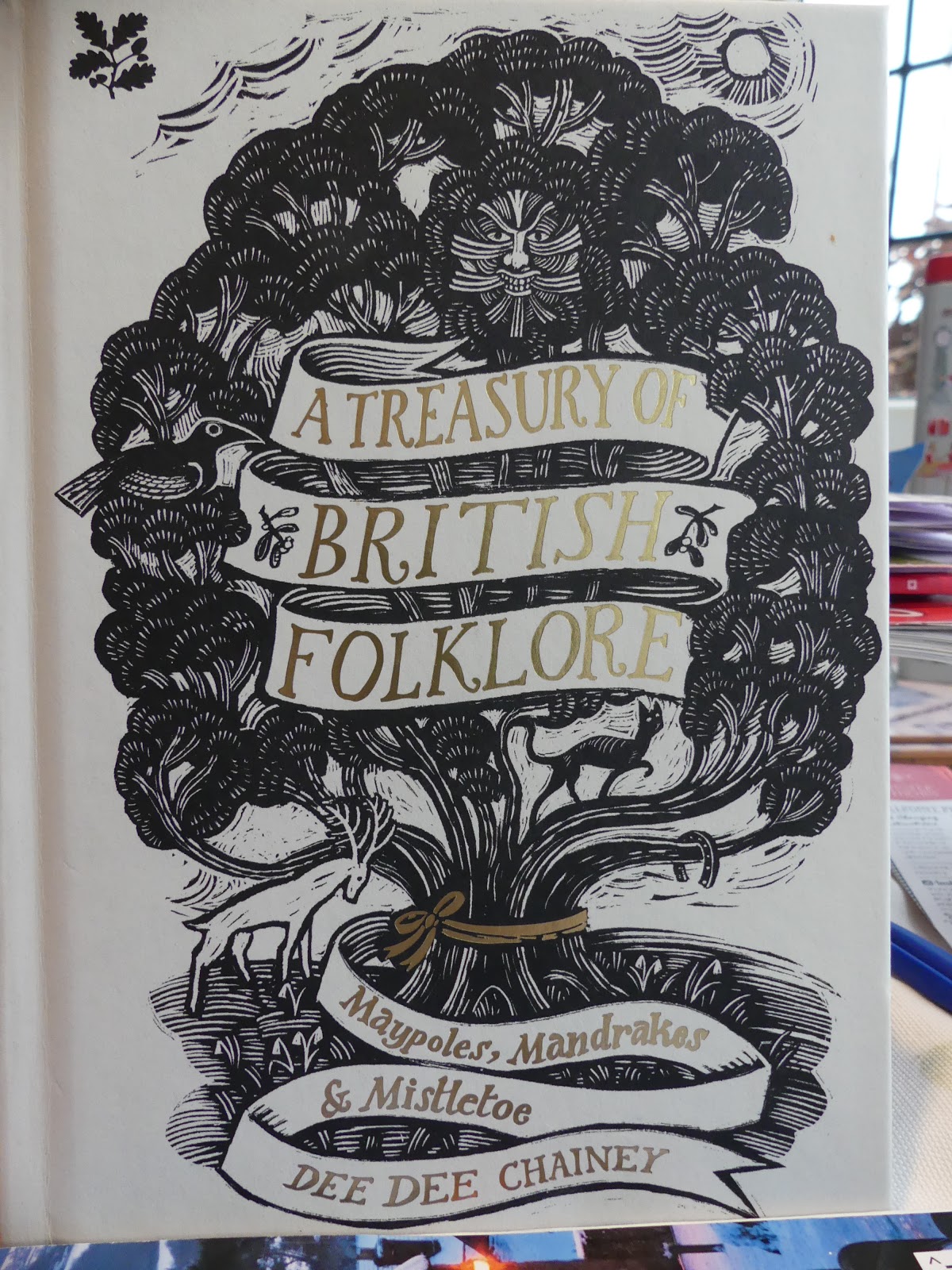
This is a great introduction to folklore which I loved. My son is now reading it :) A great reference book.
I appreciate the next book is only for those who love churches especially those with Herefordshire Romanesque Sculpture but I found it brilliant and now have a long list of churches to visit!

Snowdrops
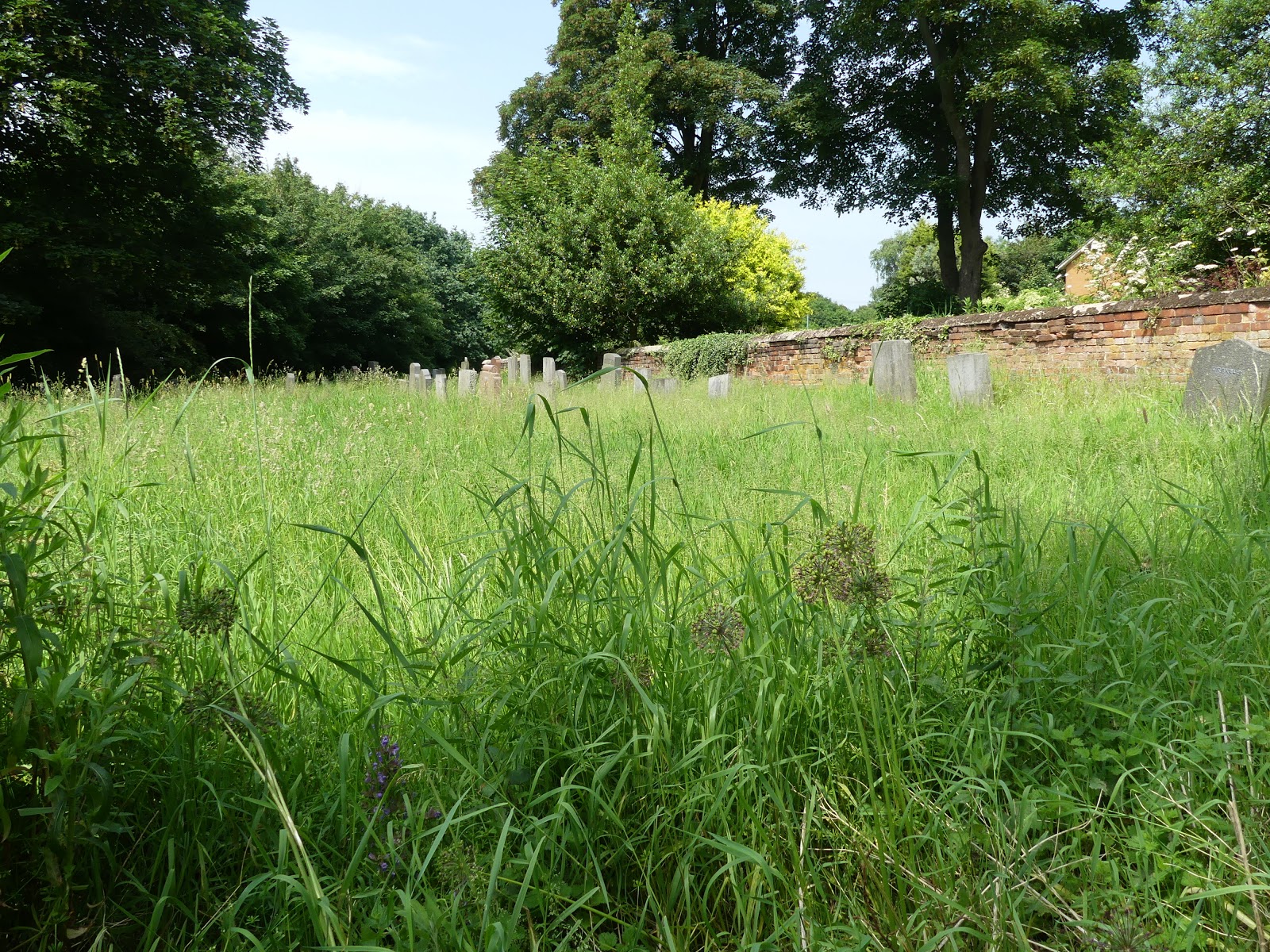
I went for a drive earlier this week to check out trees with berries in the hope that I might spot a Waxwing. There seems to be quite an influx into the country although I haven't seen any reports of sightings in Warwickshire so far. I didn't see any Waxwings but I stopped off at the church of St Mary and St Margaret to look for Snowdrops.

The churchyard is opposite the church and I

did find some Snowdrops almost in flower - my first this year.


A few of my Christmas presents
I was thrilled to be given by my daughter
this Ragged Robin hand-painted slate from the Lake District and

from my son a replica Green Man medieval tile.

I really fell in love with this handmade dragonfly tile when we went to an exhibition at Quarr Abbey on the Isle of Wight last summer so my son secretly bought me one :)

A few weeks ago I was in Solihull so popped into the Core Library to see the "Solihull Remembers 1914-1918 exhibition" which was really excellent, well researched and moving.
You can read more about the project aimed at finding out about the lives of Solihull men who died in the First World War here

There was also a very good smaller display on local suffragettes including the lady called Lettice Floyd who I have mentioned before as her grave is in the churchyard at Berkswell.
Mystery Flower - Some of you may recall the flower I spotted on the Meriden walk recently. As "Midmarsh John" suggested in his comment I think it is probably Ragwort. I noticed someone on Twitter in #WildflowerHour has seen one recently in flower. I have posted my photo on Twitter asking for help so if I get confirmation of the id I will let you all know.

All photos taken by me with the Panasonic Lumix FZ330